Engagement Ring Alternatives: Beautiful Stones Beyond the Traditional Diamond

For decades, diamonds have been the traditional choice for engagement rings. In fact, De Beers launched their “A Diamond is Forever” campaign in the 1940s, which gave rise to the white diamond as one of the most popular engagement ring stones of choice. Their brilliance, durability and timeless appeal have made them a universal symbol of ever-lasting love.
What are couples looking for in an engagement ring alternative? First off, they want their ring to feel more personal, a bit unexpected and distinct to their love story. From vibrant colored gemstones and unique cuts to non-traditional designs, couples want a ring that reflects their individual style, rather than embracing tradition alone.
Why choose a diamond alternative?
Choosing a different center stone is about finding a gemstone that reflects you and your one-of-a-kind relationship.
Couples are choosing alternatives to classic white diamonds for multiple reasons. We see lots of partners who want a daring look that stands apart from traditional engagement rings. Many are looking for a more accessible pricepoint. Some love that a diamond alternative represents a return to antiquity, as most engagement rings didn’t have a diamond center stone before World War II. No matter the reason, the center stone you choose becomes a modern interpretation of a timeless tradition.
Explore beautiful, non-traditional engagement ring stones
Sapphire

The Nile 6.15 ct Elongated Cushion Green Madagascar Sapphire Ring. This ring is one of a kind.
Birth Month: September
Mohs Hardness: 9
With its exceptional durability and deep significance, the sapphire is a favored alternative for engagement rings.
Long admired for their beauty and durability, sapphires are one of the most popular alternatives to traditional diamonds. It has long been a symbol of undying love throughout history. During the Victorian Era, Prince Albert proposed to Queen Victoria with a sapphire, diamond and ruby snake ring. Lady Diana famously selected a 12-carat blue sapphire for her engagement to Prince Charles. Today, this iconic piece sits atop Kate Middleton’s ring finger as an enduring symbol of modern royalty.
While blue is the most recognizable color, sapphires naturally occur in nearly every hue including pink, peach, green, yellow and white.
Montana Sapphire
Montana sapphires are among the most sought-after sapphires today. Discovered around the 1860’s by gold miners, they’re celebrated for their subtle, earthy color palette. These ethical, American-mined gemstones feature a display of shades from silvery-blue and teal to sage, orange and pink.
Couples who seek understated elegance can express their individuality in both a modern and timeless way.
Colored diamonds
Colored diamonds strike a beautiful middle ground for those who want the durability of a diamond, yet prefer an engagement ring that’s less traditional.
Champagne diamonds
Champagne diamonds have a natural warmth to them as their hues range from soft honey to rich cognac. These stunning center stone alternatives pair beautifully with yellow or rose gold for a romantic appeal. Also known as Desert Diamonds, you can take a deeper dive here to see if a champagne diamond might capture your love story in just the right light.
Rustic diamonds
Formed over billions of years, rustic diamonds are celebrated for their natural inclusions and organic character. Every stone is one-of-a-kind, making rustic diamonds a notable choice for couples who appreciate imperfect beauty and contemporary design.
Emerald

The Athena 1.10 ct Round Emerald Ring. This ring is one of a kind.
Birth Month: May
Mohs Hardness: 7.5–8
Known for their unmistakable green hue, emeralds have symbolized renewal, wisdom and unconditional love for centuries. Their storied history dates back to 330 B.C. when Romans dedicated the emerald to Venus, the goddess of love. During the Renaissance, European aristocracy elevated emeralds as a badge of supreme wealth and status. Today, this lush green gemstone radiates an air of sophistication while holding deep, profound meaning that has been amplified over time.
Emeralds naturally contain inclusions and are somewhat softer than other gemstones. It’s not recommended to use ultrasonic or steam cleaners on emerald jewelry as it can change the stone’s natural appearance. Cleaning by hand and choosing a protective setting will help preserve an emerald’s beauty.
Garnet

One of a kind ring featuring a oval garnet center stone set in our Rene design
Birth Month: January
Mohs Hardness: 6.5–7.5
While many associate garnets with deep red hues, they naturally occur in an impressive range of unexpected colors from vibrant orange to lush green.
Historically, garnets have had rich cultural and emotional significance. Believed to have protective powers, Ancient Egyptians wore them as amulets or in signet rings during battle. Throughout the Medieval era, garnet engagement rings were thought to awaken the heart, making them a romantic alternative to the classic diamond.
Tourmaline

One of a kind ring featuring a emerald cut teal tourmaline center stone set in our Billie design
Birth Month: October
Mohs Hardness: 7–7.5
Tourmaline is one of nature's most colorful gemstones. Celebrated for its vast color palette, these alternative engagement ring stones represent multiple meanings depending on a stone’s color. For example, the pink tourmaline symbolizes pure, unfiltered love and never-ending compassion. The blue tourmaline evokes open and honest communication.
Available in pink, green, teal, blue and even multi-colored varieties, the tourmaline can reflect a relationship’s unique story while achieving a distinctive, non-traditional look.
For clients seeking a custom design, our team can help source a tourmaline with the perfect color, character and meaning.
What to consider before choosing a diamond alternative?
Every gemstone has its own magnetism and character. Keep these things in mind before selecting an alternative center stone.
Determine your budget
Diamond alternatives span a wide range of prices.
Some stones offer a larger appearance for the same budget, while other natural stones can be just as valuable as traditional diamonds. Color, origin, rarity, and overall quality influence price.
Cost is definitely a major factor to consider. It’s also essential to choose a gemstone whose magnificence and allure speak to you most.
Decide on durability
An engagement ring symbolizes many things. It’s a declaration of your commitment to each other. It also marks a moment in time when you said “yes” to combining lives. Simply put, an engagement ring is an everyday reminder of your unique relationship. Your stone’s durability is an important factor.
The Mohs hardness scale ranks a stone’s resistance to scratching.
-Diamond: 10
- Sapphire: 9
- Ruby: 9
- Emerald: 7.5–8
- Tourmaline: 7–7.5
- Garnet: 6.5–7.5
- Tanzanite: 6–7
- Opal: 5.5–6.5
Harder gemstones generally require less maintenance over time. Don’t rule out a softer stone though, as they can still make beautiful engagement rings with thoughtful care and the right setting.
Choose the right setting
A gemstone’s setting affects your engagement ring’s appearance and longevity.
Delicate stones need protective settings such as bezels or low-profile designs, while harder gemstones can accommodate a wider variety of settings.
Our expert design team knows the unique characteristics of every gemstone. Meaning, we can help you customize a ring that’s both beautiful and practical.
Lead with your personal style
Your engagement ring should feel like an extension of you and your promise to each other.
Some couples gravitate toward understated neutrals, while others love rich color and bold individuality. The right gemstone has the power to capture the magic of your story.
Looking for a hard-to-find stone?
While our collections feature many exceptional alternative engagement ring designs, our expert designers can source a unique stone especially for you. Bring your vision, and we’ll work together to customize your one-of-kind engagement ring.

FAQs
Are diamond alternatives durable enough for engagement rings?
Many are. Sapphires and colored diamonds are the most durable options for everyday wear. Stones like emeralds, tanzanites and others require attentive care and more protective settings.
What is the best diamond alternative for everyday wear?
Sapphires are often considered one of the best choices, because they combine exceptional durability with an incredible range of colors.
Are colored diamonds real diamonds?
Yes. Champagne diamonds, rustic diamonds and other naturally colored diamonds are formed by nature. They display different colors and reflective characteristics than traditional white diamonds.
Can I create a custom engagement ring with an alternative gemstone?
Absolutely. Our design team can help source a gemstone that reflects your style and create a ring tailored specifically to your vision.
Which diamond alternative is right for me?
The best choice depends on your lifestyle, aesthetic preferences and the story you want your ring to tell. Prefer subtle neutrals, vibrant colors or more organic characteristics? No matter what you like, there’s a gemstone out there with your name on it.
Find an engagement ring that reflects your story
While diamonds remain a timeless choice, they're no longer the only way to celebrate your promise to each other.
From colorful sapphires and rustic diamonds to emeralds, tourmalines and custom-sourced gemstones, today's non-traditional engagement rings offer more ways than ever to express your love.
Explore our non-traditional engagement ring collection or work with our design team to create a one-of-a-kind ring that's every bit as unique as you and your love story.
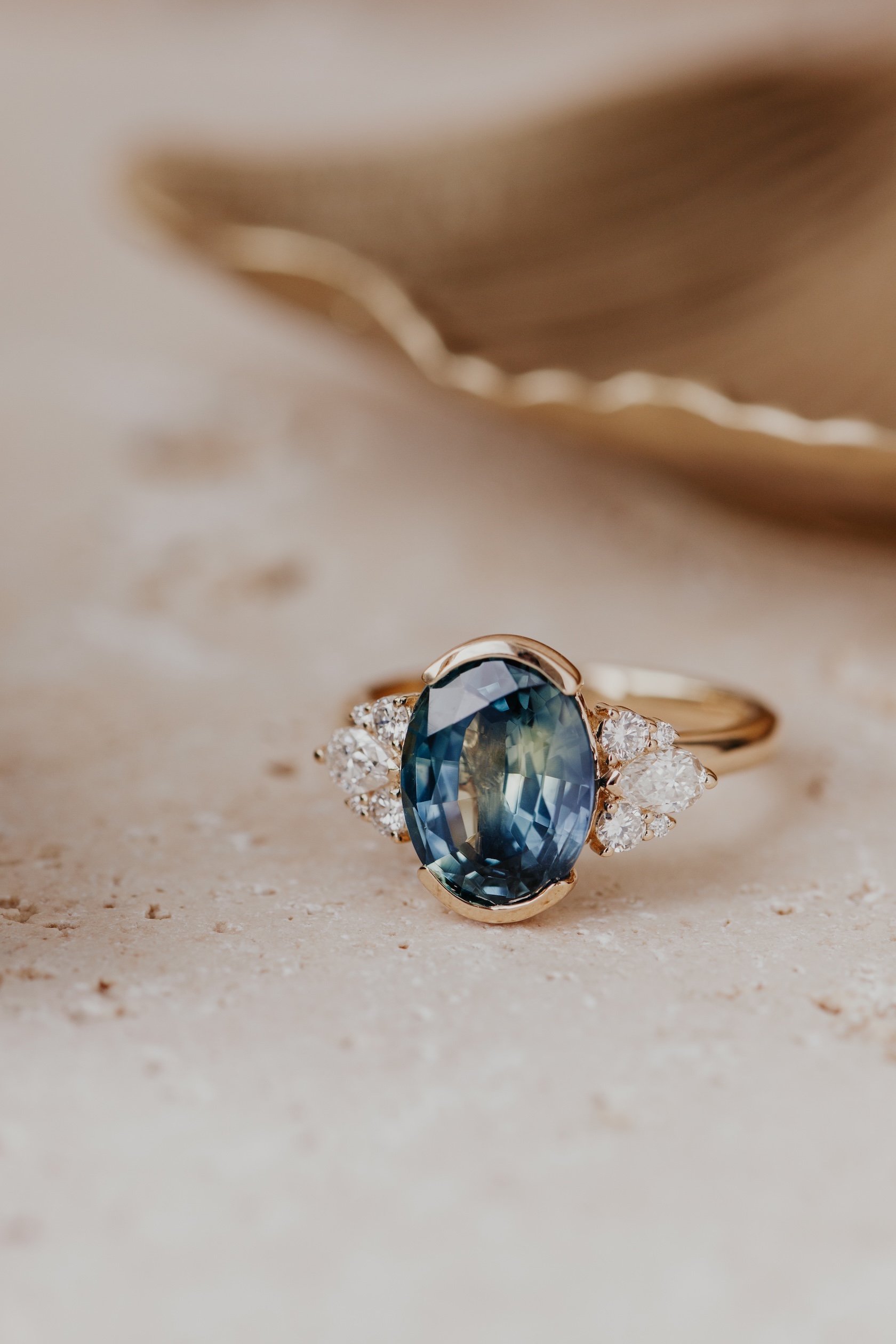
Make the moment yours with non-traditional sapphires, emeralds, colored diamonds, and more.